Luc Tuymans
Artist Bio
Belgian artist Luc Tuymans has long been dedicated to a method of painting that obscures images to the limit of their visibility. Taking images directly from history or current events, he blurs them on his canvases through loose brush strokes and washed-out colors. Tuymans's painting seems to counteract how memory works, how the sharp contours of events can diminish with the passage of time. Through repurposing images which have either lost their power or exist on the edges of visual experience, Tuymans brings events tied to colonialism, wars, and global power struggles back into view.
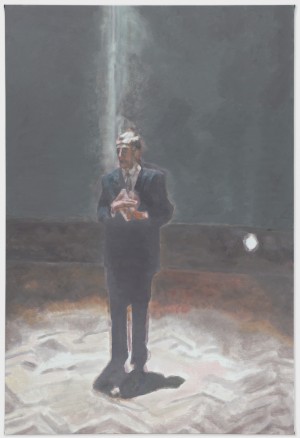
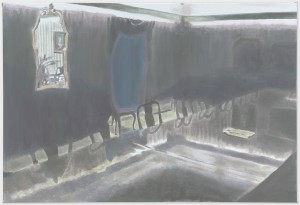
Conference Room, 2010 and Speech, 2010 depict a corporate board room and an executive which has stood up to give a speech respectively. The sharp pattern of the floor under the speaker is blotted out by the numbed intensity of a spotlight. The ornate conference table has luminosity closer to weathered tin than polished wood. The resulting atmosphere is menacing, like the back rooms of corporations and the deal making and abuses of power that can occur behind closed doors.
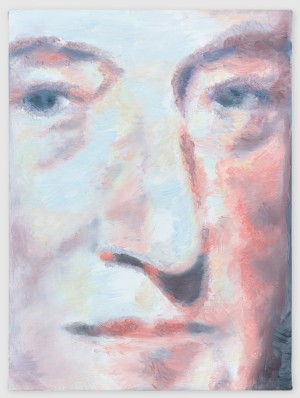
In 2014, Tuymans made a series of portraits in Scotland, based on the paintings of Henry Raeburn. The artist photographed Raeburn’s work with his iPhone, zooming in on the paintings until the edges softened. The resulting portraits, in the artist’s words, “create a sort of presence of social structures of power.” One example is William Robertson, 2014, an image of a Scottish historian and advocate of the Enlightenment ideas. Robertson held, as did many others at the time, that commerce, wealth, and power denoted "civilized" peoples. Re-presenting the thinker, Tuymans brings Robertson’s world and ideas (including racist ideas of what makes up “civilization”) into a critical present.